Tracing ToneShell: Mustang Panda's Evolving Tradecraft and Campaign Infrastructure

Analysis Date: July 30, 2025
Classification: TLP:WHITE
Executive Summary
This report offers an examination of Mustang Panda's use of the ToneShell Backdoor, based on our team's original malware sample collection and investigation.
Through a comprehensive digital forensic and incident response (DFIR) analysis, we uncover the malware's behavior and operational footprint. Our detection engineering efforts identify opportunities for proactive defense, while link analysis of a shared C2 IP uncovers relationships between multiple campaigns.
Key Findings:
Active Campaign: Mustang Panda continues to leverage DLL sideloading techniques with ToneShell backdoor deployment against government and military targets
Dual Persistence: Implementation of both registry run keys and task scheduler mechanisms for redundant persistence
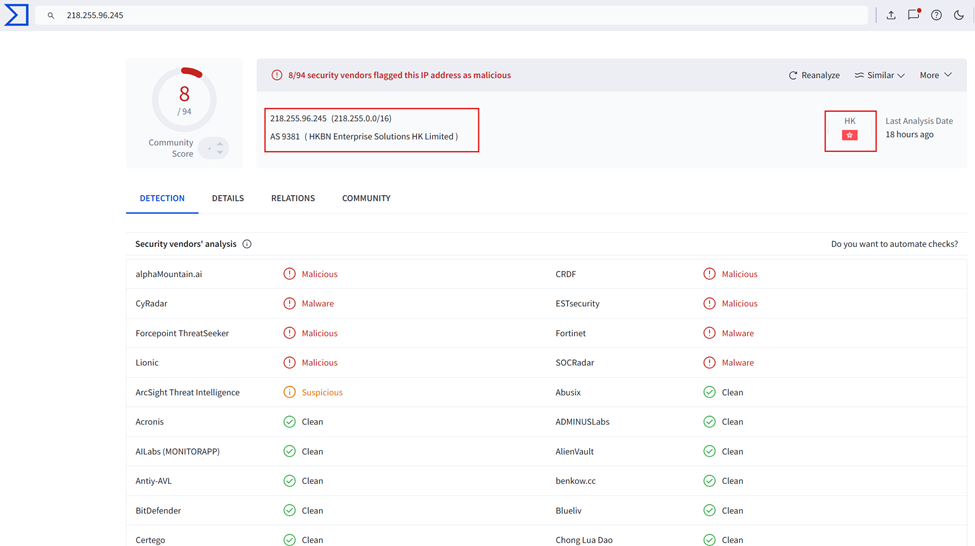
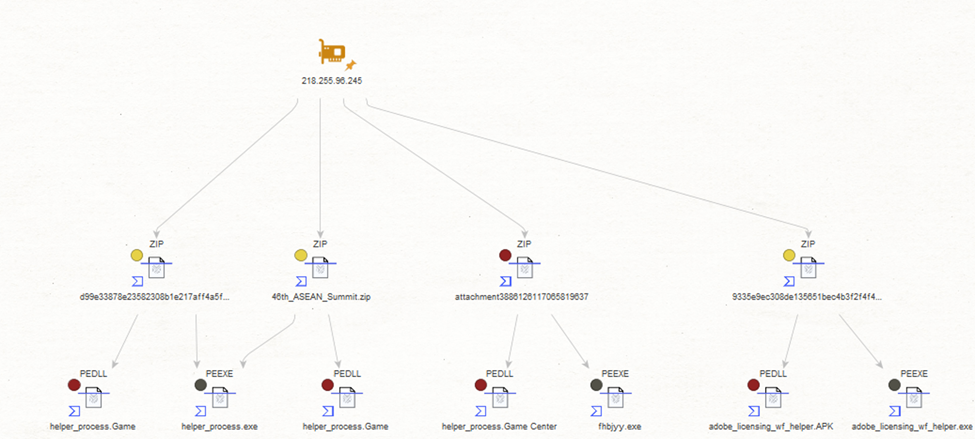
Infrastructure Reuse: C2 server 218.255.96.245 demonstrates operational continuity across DOPLUGS, PUBLOAD, and ToneShell campaigns Detection Evasion: Chrome process masquerading and legitimate binary abuse for defense evasion
Campaign Timeline: Active operations observed from March to July 2025 with consistent targeting patterns
Threat Actor: Mustang Panda (also known as Earth Preta, HIVE0154, RedDelta, Bronze President)
Confidence Level: High
Mustang Panda is a China-aligned cyber espionage group that has been active since at least 2012, consistently targeting government entities, military organizations, and NGOs across Asia-Pacific and Europe. The group is characterized by their signature use of DLL sideloading techniques and military-themed lures in spear-phishing campaigns. Recent analysis confirms continued operations with enhanced evasion capabilities and infrastructure reuse patterns consistent with previous campaign.
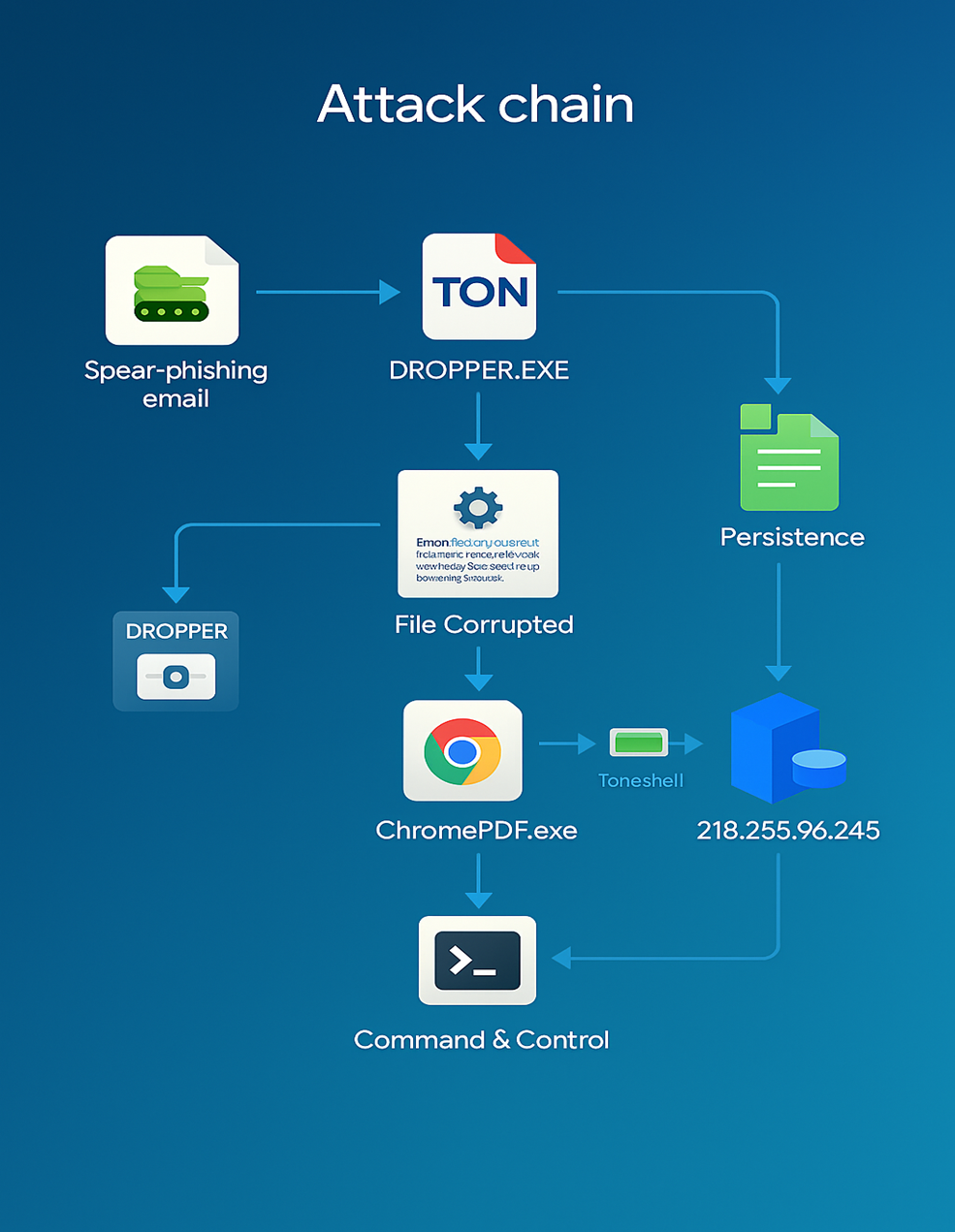
Technical Details
Initial Access and Delivery
The observed attack begins with spear-phishing emails containing malicious archives themed as military documents. The initial delivery vector consists of:
Archive Contents:
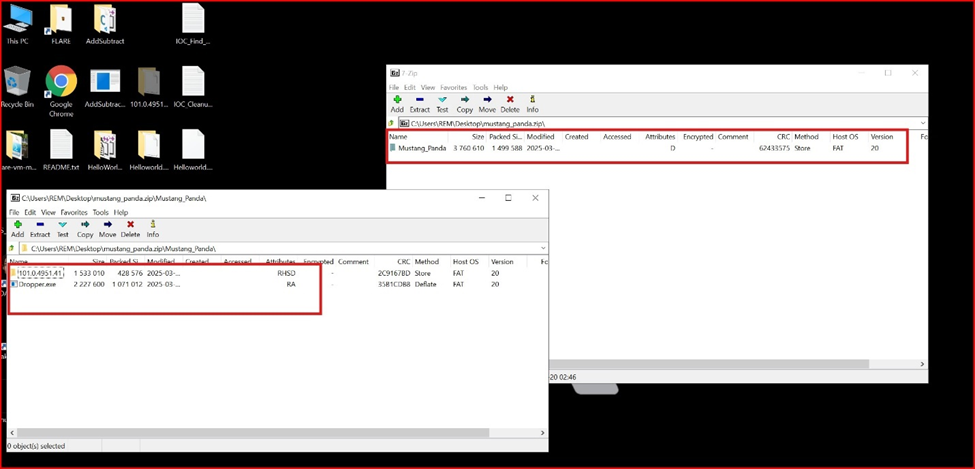
The archive mustang_panda[.]zip contains Dropper.exe (2,227,600 bytes), a malicious binary that deploys legitimate Chrome components, and a 101.0.4951.41 folder housing a malicious DLL and a manifest file.
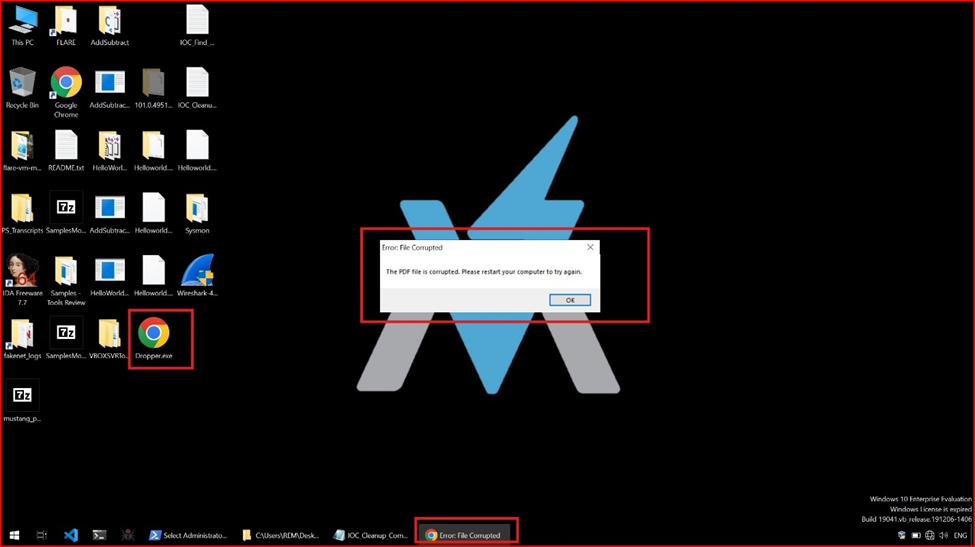
Social Engineering Tactic: Upon execution, victims are presented with a deceptive error message: "Error: File Corrupted - The PDF file is corrupted. Please restart your computer to try again". This message serves to distract users while malicious processes execute in the background.
Execution
DLL Sideloading Mechanism:
User executes Dropper.exe (malicious binary that displays “The PDF file is corrupted. Please restart your computer to try again”)
Dropper.exe deploys legitimate Chrome binary as ChromePDF.exe to C:\ProgramData\ChromePDFBrowser\ ChromePDF.exe (legitimate Chrome binary) searches for chrome_elf.dll in its local directory
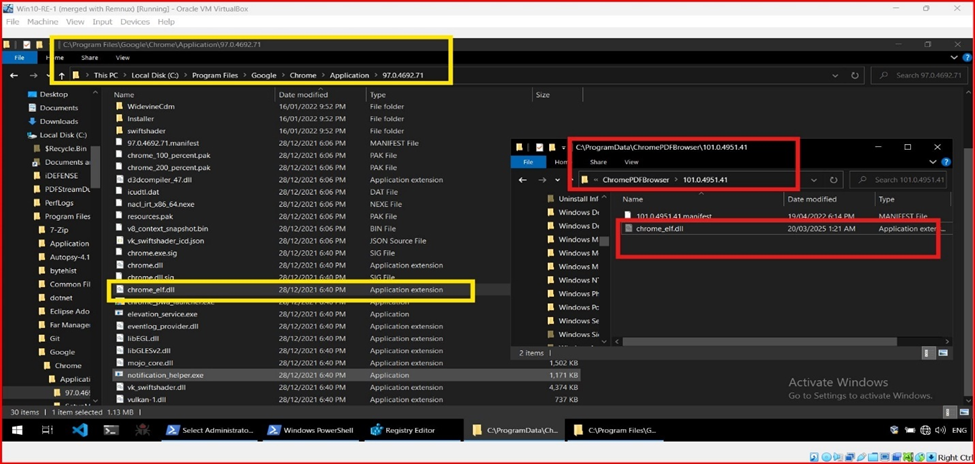
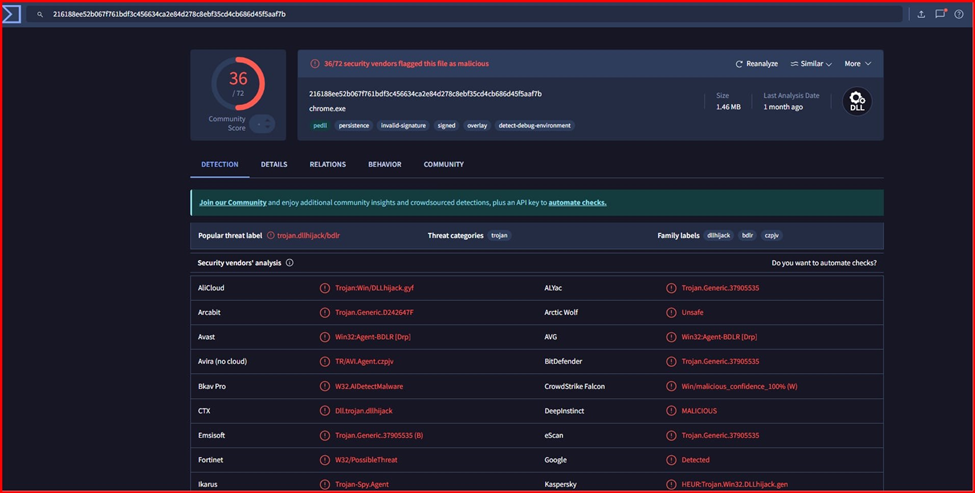
Malicious DLL initiates infection chain while masquerading as legitimate Chrome process
File System Artifacts:
The malware establishes persistence through the following deployment process:
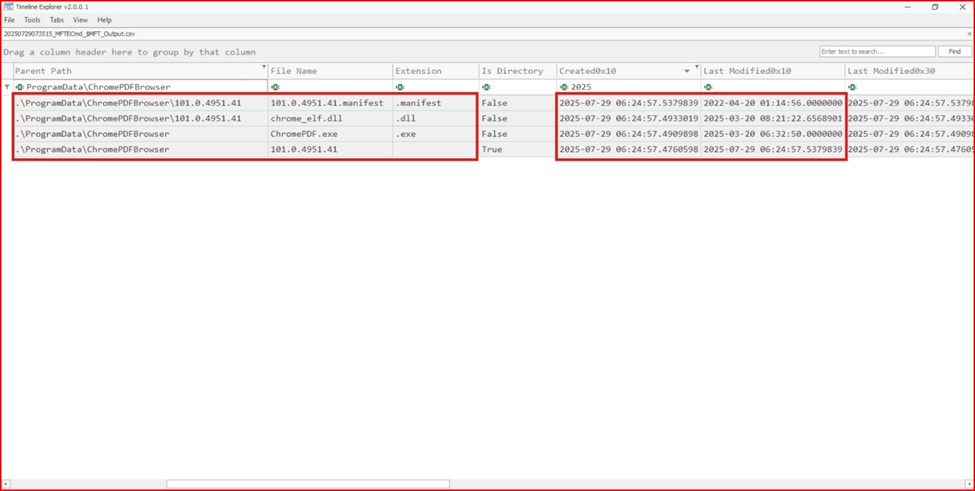
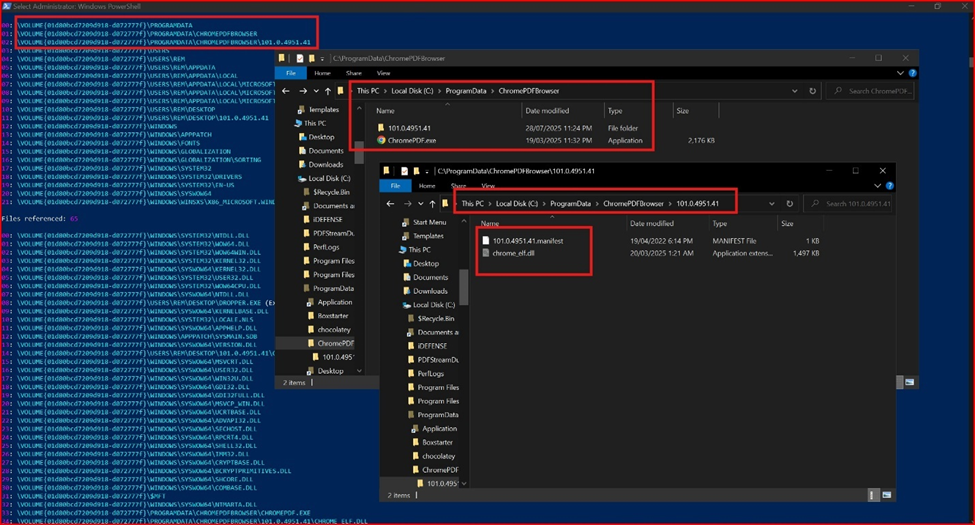
Dropper Execution: Dropper.exe (malicious) deploys legitimate Chrome binary and malicious components
Primary Location: C:\ProgramData\ChromePDFBrowser\ChromePDF.exe
DLL Location: C:\ProgramData\ChromePDFBrowser\101.0.4951.41\chrome_elf.dll
Manifest File: C:\ProgramData\ChromePDFBrowser\101.0.4951.41\101.0.4951.41.m anifest
Persistence
Mustang Panda implements a dual persistence strategy ensuring redundant access:
Registry Run Keys:
Path: HKEY_CURRENT_USER\SOFTWARE\Microsoft\Windows\CurrentVersi on\Run
Key Name: ChromePDFBrowser
Value: C:\ProgramData\ChromePDFBrowser\ChromePDF.exe FreePDF
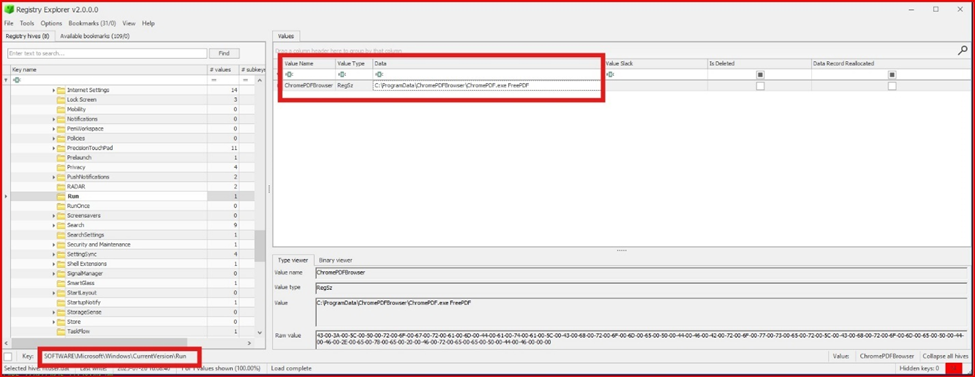
Scheduled Task:
Task Name: ChromeBrowser-chromiumim Schedule: Every 5 minutes (PT5M interval)
Command: schtasks /F /Create /TN "ChromeBrowser-chromiumim" /SC minute /MO 5 /TR "C:\ProgramData\ChromePDFBrowser\ChromePDF.exe FreePDF
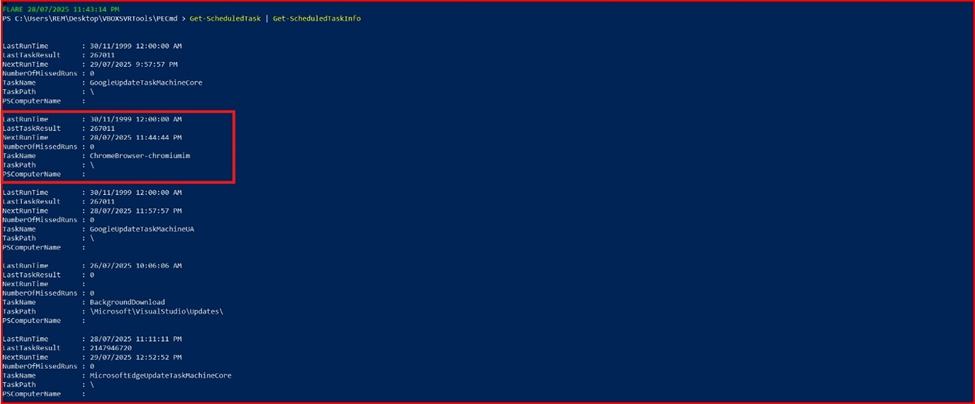

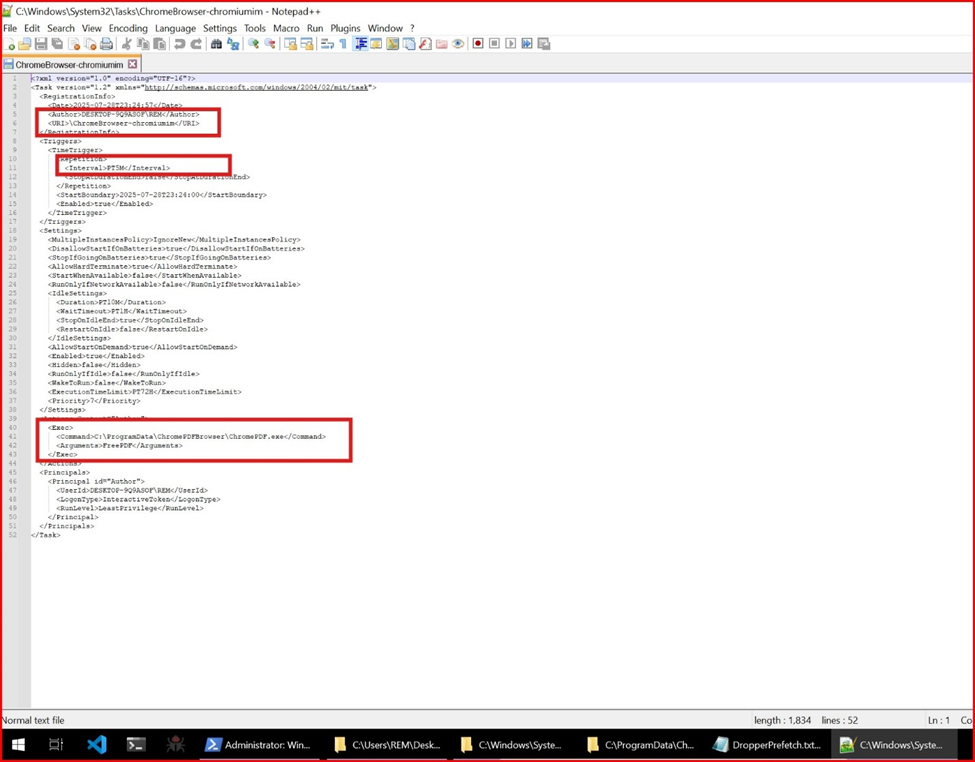
This dual approach ensures automatic execution at user logon and continuous execution every five minutes, providing highly reliable persistence.
Command and Control
Network Communication: The ToneShell backdoor establishes communication with:
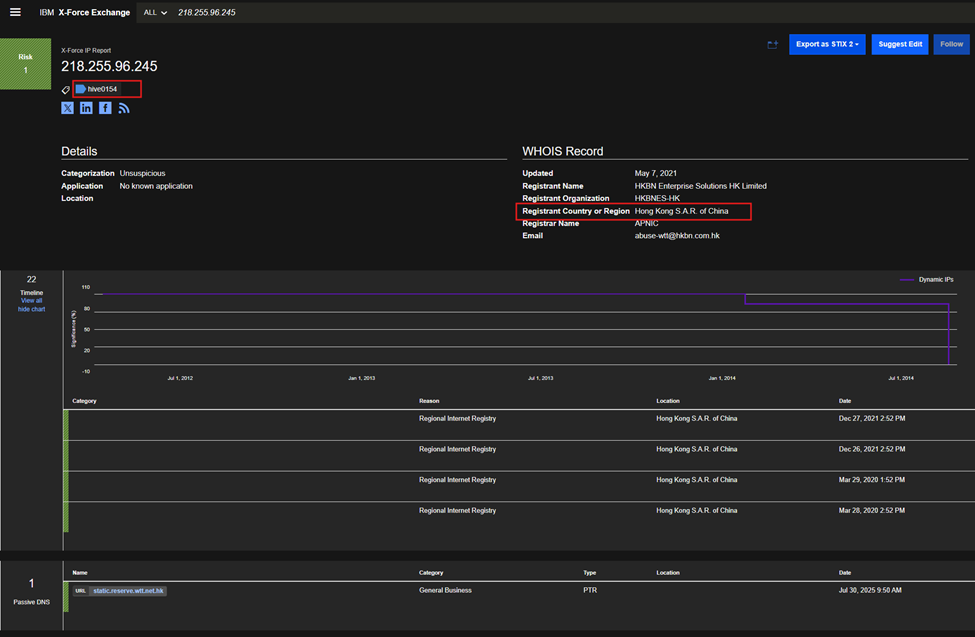
C2 Server: 218.255.96.245:443 (PUBLOAD C2 Infrastructure)
Process: ChromePDF.exe (legitimate Chrome binary) with PID : 7064 hijacked for C2 communication
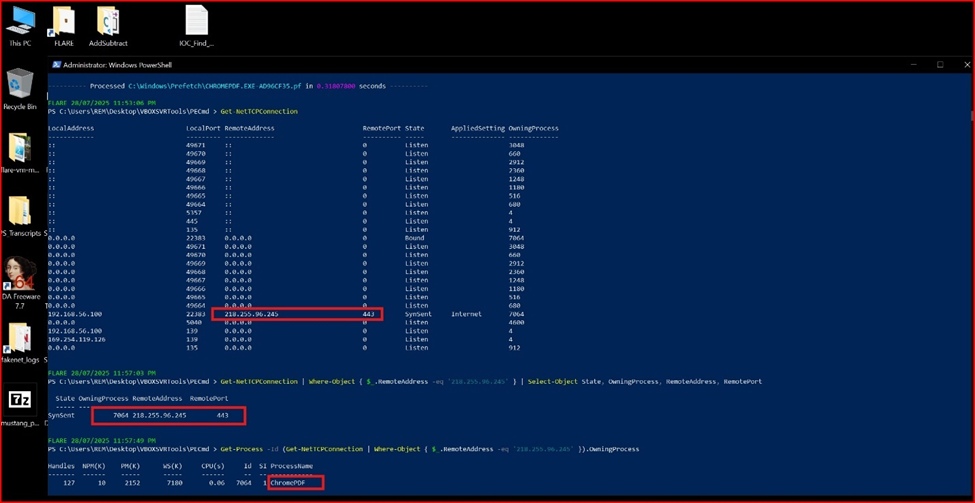
Protocol: Custom encrypted protocol over TLS
Signature: Traffic contains 17 03 03 bytes indicating TLS Application Data ToneShell signature (https://www.zscaler.com/blogs/security-research/latest-mustang-panda-arsenal-toneshell-and-starproxy-p1)
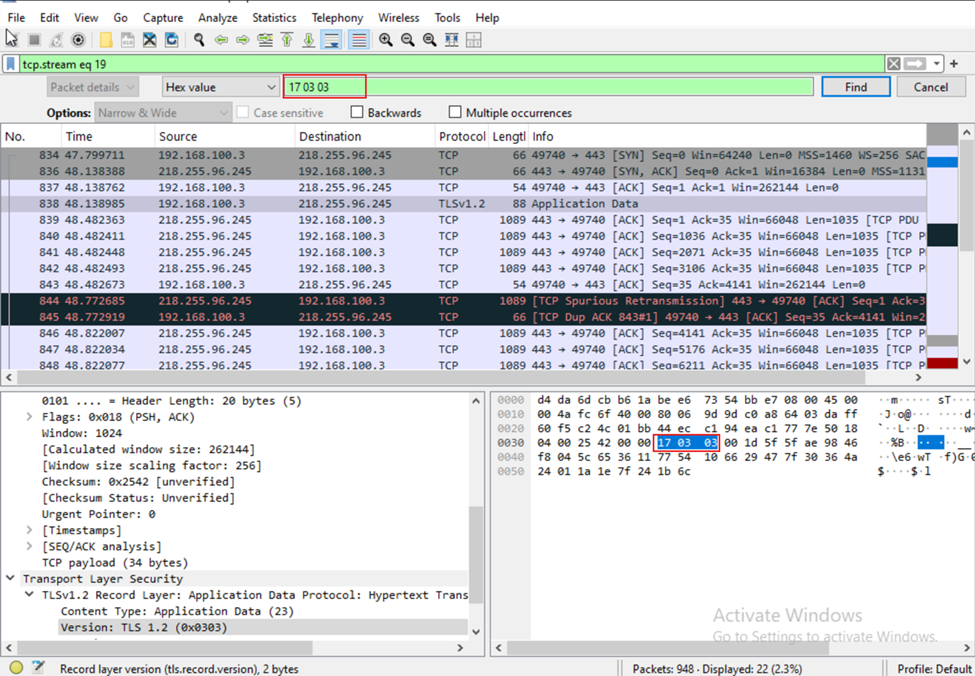
Traffic Analysis: Network forensics confirmed active C2 communication with bidirectional traffic indicating successful command and control establishment. The malware uses port 443 to masquerade as legitimate HTTPS traffic for operational security.
Malicious DLL Analysis - chrome_elf.dll
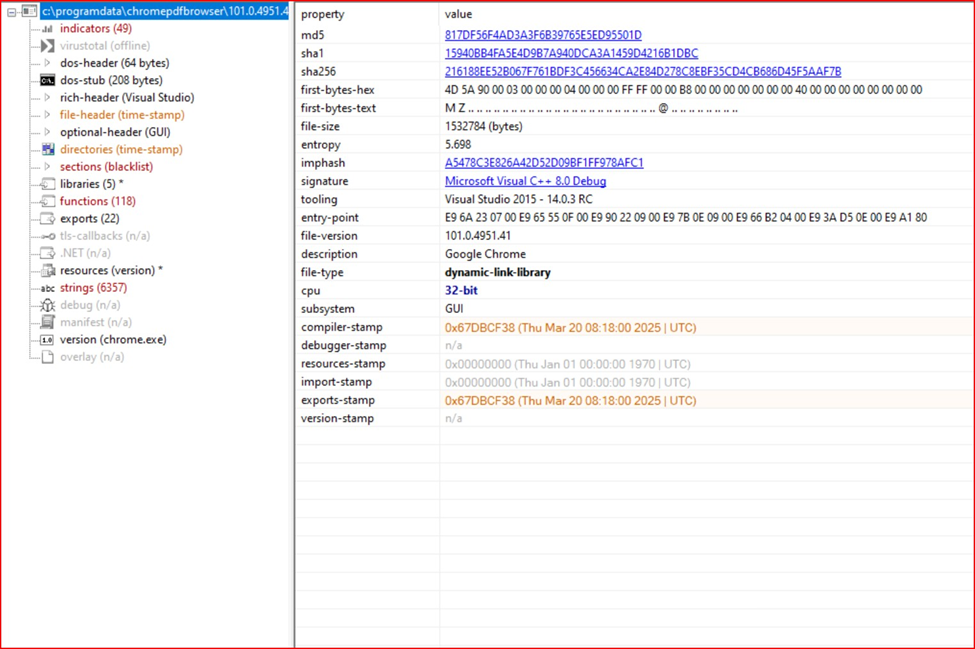
File Properties:
The malicious chrome_elf.dll (SHA-256: 216188ee52b067f761bdf3c456634ca2e84d278c8ebf35cd4cb686d45f5aaf7 b) is a 32-bit dynamic-link library compiled with Microsoft Visual C++ 8.0 Debug.
The malware masquerades as a legitimate Google Chrome component by spoofing the file description as "Google Chrome" and matching the version number (101.0.4951.41) with the hijacked Chrome binary.
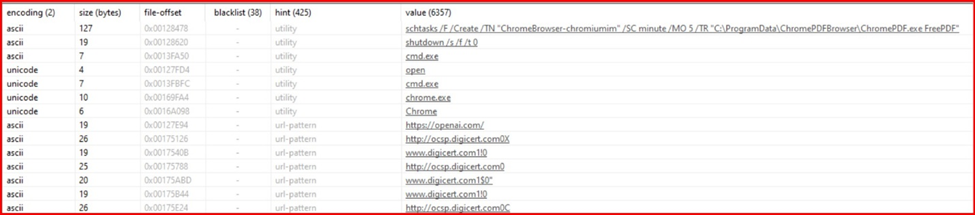
Embedded Malicious Commands:
PE Studio analysis reveals hardcoded malicious commands within the DLL, including the complete scheduled task creation command: schtasks /F /Create /TN "ChromeBrowser-chromiumim" /SC minute /MO 5 /TR "C:\ProgramData\ChromePDFBrowser\ChromePDF.exe FreePDF".
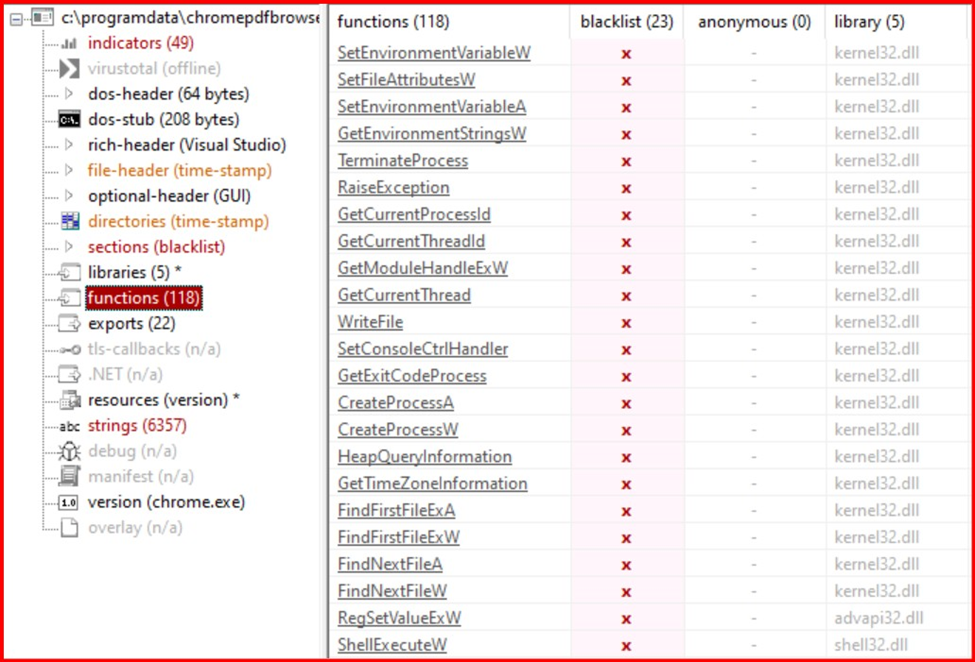
API Function Capabilities:
The malicious DLL imports 118 Windows API functions enabling comprehensive system manipulation. Critical capabilities include process control through TerminateProcess, CreateProcessA/W, and GetCurrentProcessId, file system operations via WriteFile, FindFirstFileEx, and FindNextFile, registry modification using RegSetValueEx for persistence establishment, environment manipulation through SetEnvironmentVariable and GetEnvironmentStrings, and shell command execution via ShellExecuteW.
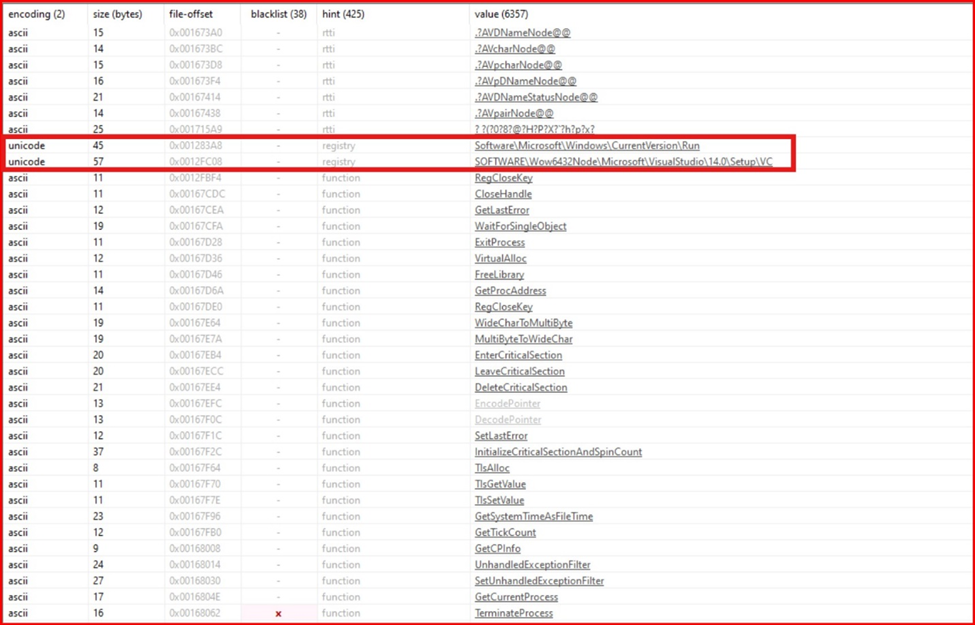
Registry Persistence Artifacts:
String analysis reveals embedded registry paths including Software\Microsoft\Windows\CurrentVersion\Run, confirming the DLL's capability to establish persistence through registry run keys. The malware contains multiple references to Visual Studio development paths, indicating sophisticated development environment usage for legitimate software mimicking.
Masquerading Techniques:
The malware employs advanced masquerading by maintaining identical version information (101.0.4951.41) as the legitimate Chrome installation, spoofing Google Chrome file descriptions and company metadata, implementing standard PE structure to appear as legitimate Windows DLL, and utilizing the same chrome_elf.dll filename as the authentic Chrome component to ensure successful DLL search order hijacking.
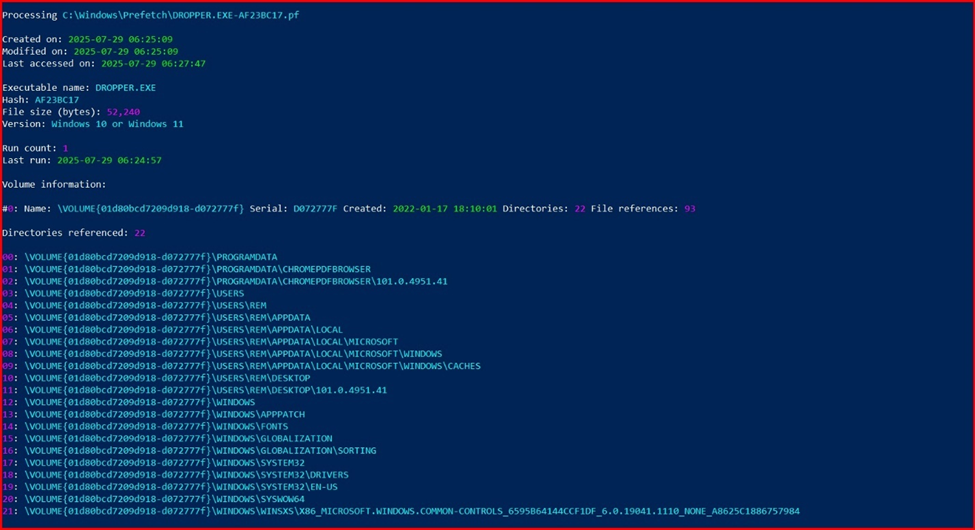
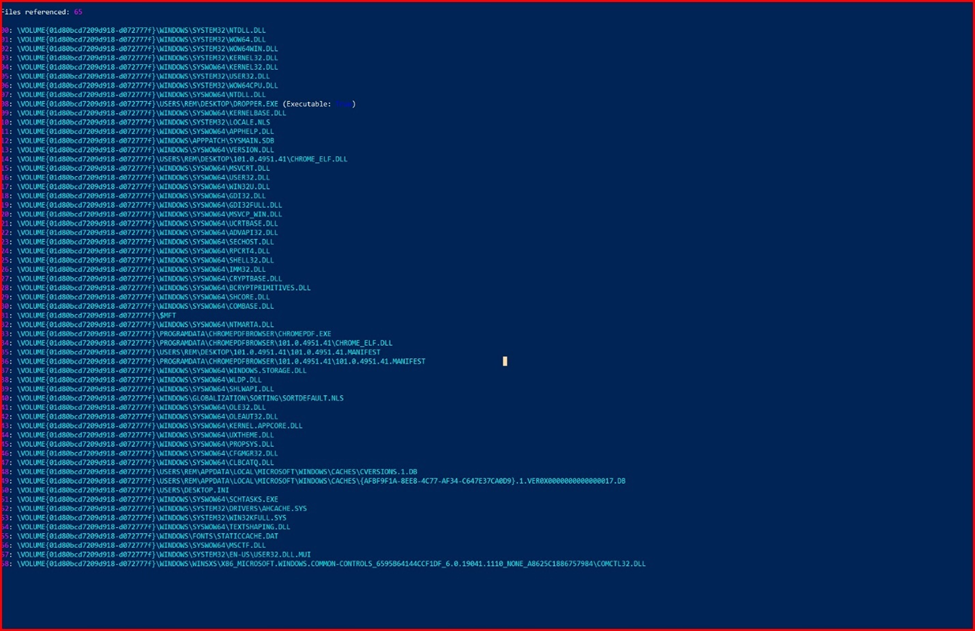
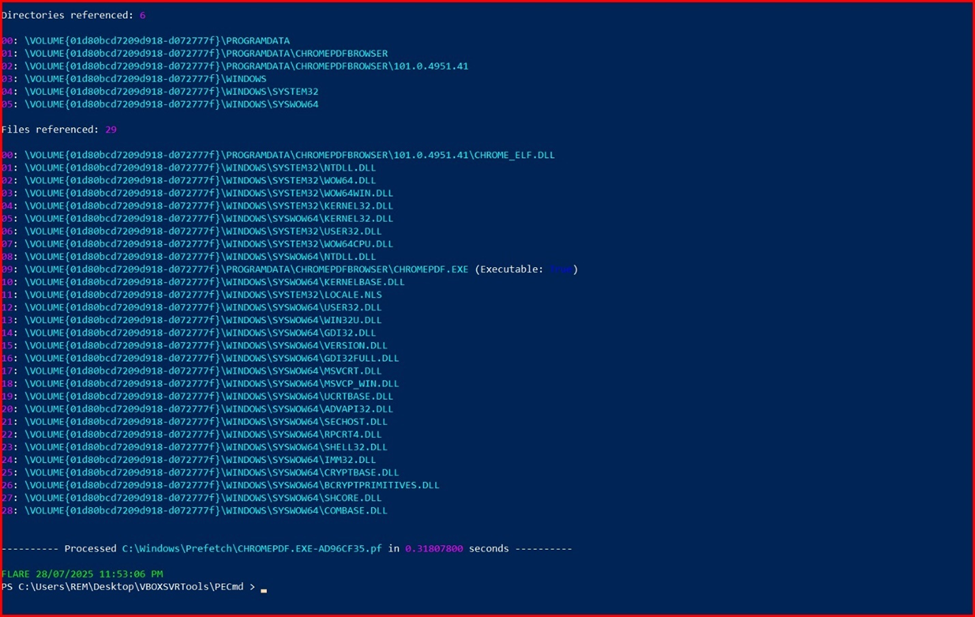
Prefetch Analysis Results:
Initial Infection (DROPPER.EXE-AF23BC17.pf):
Execution Pattern: Single execution event of malicious dropper binary
Key Activities: Legitimate Chrome binary deployment, DLL sideloading, file copying, task scheduler creation
File References: 65 files accessed including SCHTASKS.EXE for persistence setup
Persistent Execution (CHROMEPDF.EXE-AD96CF35.pf):
Binary Type: Legitimate Chrome binary (victim of DLL hijacking)
Execution Pattern: Multiple scheduled executions confirming task scheduler success
Behavior: Continuous DLL sideloading of malicious chrome_elf.dll from 101.0.4951.41 directory
Threat Intelligence on C2 Infrastructure
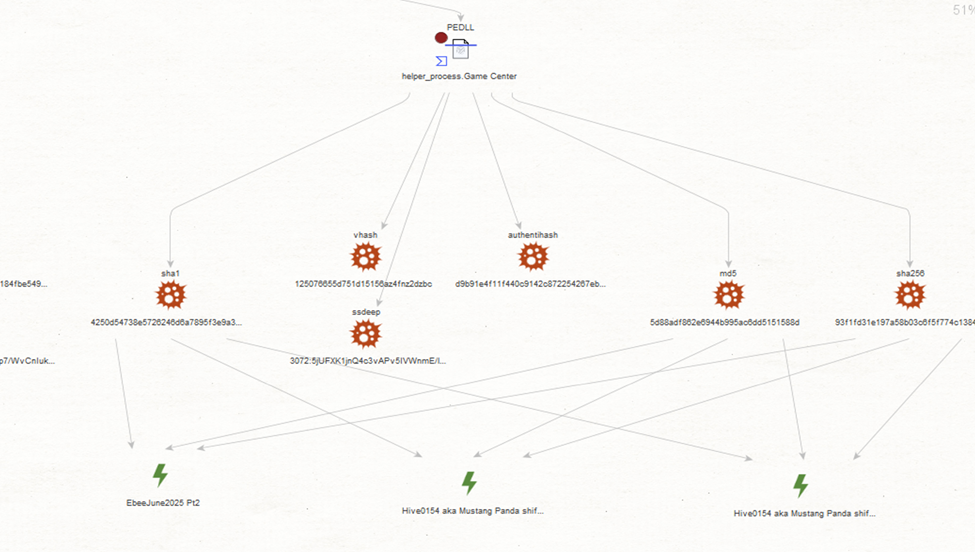
Primary C2 Asset: 218.255.96.245
ASN: AS 9381 (HKBN Enterprise Solutions HK Limited)
Geographic Location: Hong Kong
Detection Rate: 8/94 security vendors (VirusTotal)
Campaign Linkage Analysis
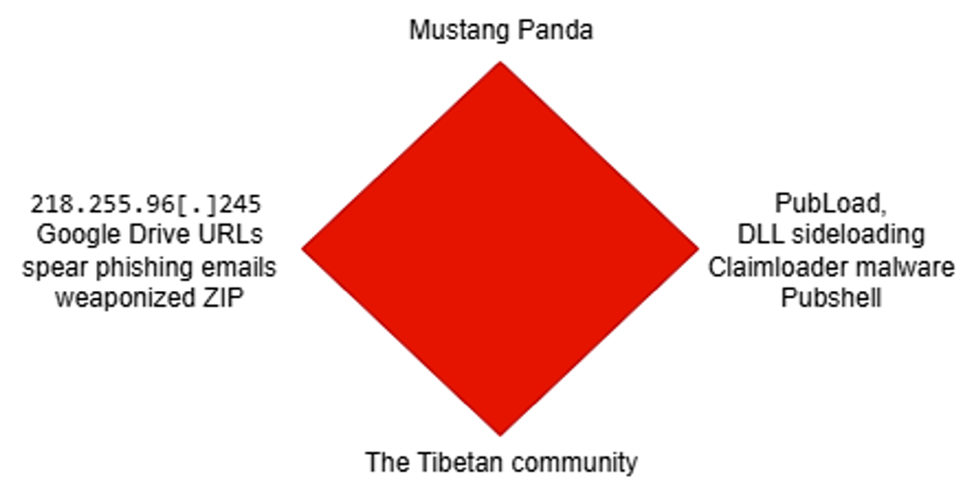
Intelligence analysis reveals significant infrastructure reuse across multiple Mustang Panda campaigns:
Infrastructure Assessment
Operational Pattern: The reuse of 218.255.96.245 across multiple campaigns demonstrates Mustang Panda's operational efficiency and infrastructure investment strategy. This centralized C2 approach reduces operational overhead while creating attribution linkages that enable tracking of campaign evolution.
Historical Campaign Connections:
1. DOPLUGS Campaign (2024)
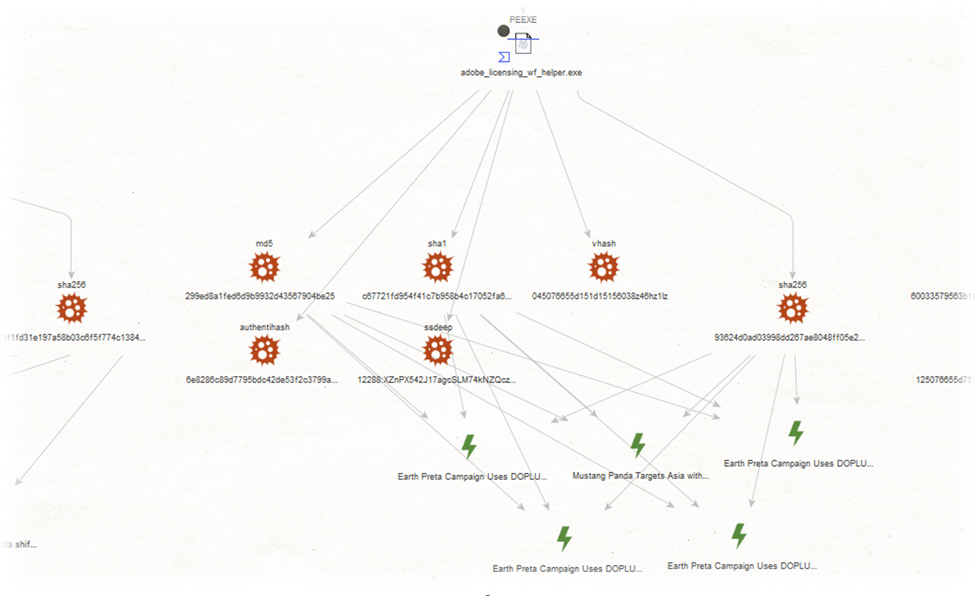
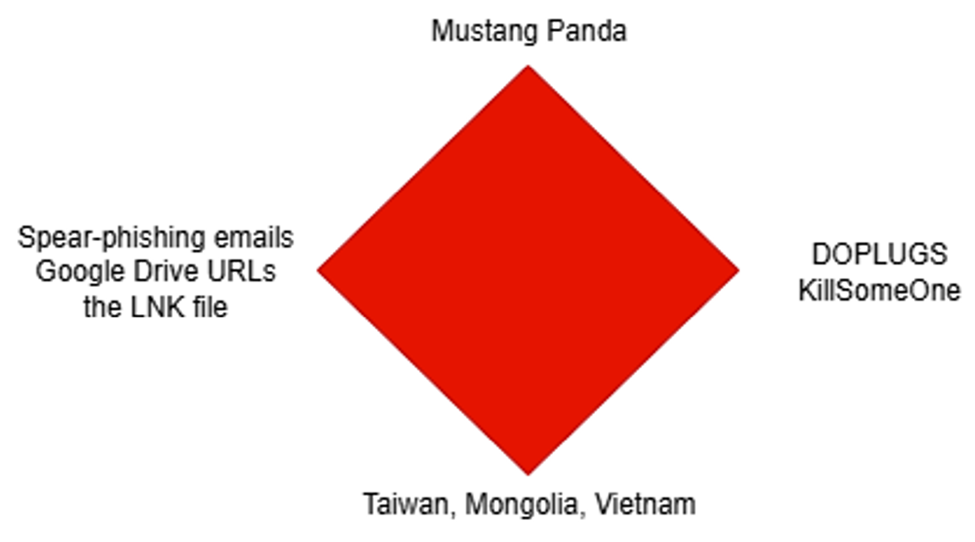
Reference: Trend Micro Earth Preta Campaign Analysis
Target Geography: Asia-Pacific region
Shared Infrastructure: 218.255.96.245
2. PUBLOAD Campaign (2024)
Reference: IBM X-Force HIVE0154 Analysis
Target Focus: Tibetan community organizations
Operational Overlap: Same C2 infrastructure
Target Focus: Government and military entities
Technical Evolution: Enhanced DLL sideloading capabilities
Detection and Hunting Rules
PowerShell Hunting Queries
# Hunt for Mustang Panda file artifacts
Get-ChildItem -Path "C:\ProgramData" -Recurse -Include
"ChromePDF*","chrome_elf.dll" -ErrorAction
SilentlyContinue
# Check for malicious scheduled tasks
Get-ScheduledTask | Where-Object {$_.TaskName -like
"*Chrome*" -and $_.TaskName -like "*chromium*"}
# Verify registry persistence
Get-ItemProperty
"HKCU:\SOFTWARE\Microsoft\Windows\CurrentVersion\Run" |
Where-Object {$_ -like "*ChromePDF*"}
# Network connection analysis
Get-NetTCPConnection | Where-Object {$_.RemoteAddress -eq
"218.255.96.245"}
# Process analysis for DLL sideloading
Get-Process | Where-Object {$_.ProcessName -eq "ChromePDF"
-or $_.Path -like "*ChromePDFBrowser*"}
Microsoft Defender For Endpoint Query
Rule1: Suspicious ChromePDFBrowser DLL Load
This rule detects detects the loading of 'chrome_elf.dll' from a non-standard location under 'C:\ProgramData\ChromePDFBrowser', which may indicate DLL side-loading, masquerading as Chrome components, or an attempt to bypass security controls for stealthy execution.
DeviceImageLoadEvents
| where FolderPath contains
"\\ProgramData\\ChromePDFBrowser" and FolderPath endswith
"\\chrome_elf.dll"
Rule2: Suspicious ChromePDFBrowser Executable in ProgramData
This rule detects execution of potentially malicious software from a fake Chrome-related folder.
DeviceProcessEvents | where FolderPath contains
"\\ProgramData\\ChromePDFBrowser"
Rule3: Suspicious "Conhost" Execution With Headless and Dimension Parameters
This rule can detects suspicious execution of conhost.exe with parameters such as --headless, .exe, --width, and -height, which may indicate abuse of conhost.exe to launch a hidden or headless process with custom screen dimensions. This technique may be used by malware or scripts to run payloads stealthily.
DeviceProcessEvents | where (FolderPath endswith
"\\conhost.exe" or ProcessVersionInfoOriginalFileName =~
"CONHOST.EXE") and (ProcessCommandLine contains "–
headless" and ProcessCommandLine contains ".exe") and
(ProcessCommandLine contains "–width" and
ProcessCommandLine contains "-height")
Rule4: Malicious Scheduled Task Creation for ChromePDFBrowser
This rule detects suspicious scheduled task configured to run a fake Chrome-related executable at frequent
DeviceProcessEvents
| where (FolderPath endswith "\\schtasks.exe" or
ProcessVersionInfoOriginalFileName =~ "schtasks.exe")
| where (ProcessCommandLine contains "/Create" and
ProcessCommandLine contains "ChromeBrowser-chromiumim")
and (ProcessCommandLine contains
"\\ProgramData\\ChromePDFBrowser" and ProcessCommandLine
contains "ChromePDF.exe")
Rule5: Suspicious Registry Persistence via ChromePDFBrowser
This rule detects persistence mechanism using registry key associated with a potentially fake Chrome PDF tool.
DeviceRegistryEvents
| where RegistryKey contains
"SOFTWARE\\Microsoft\\Windows\\CurrentVersion\\Run"
| where RegistryValueName contains "ChromePDFBrowser"
| where RegistryValueData contains
"\\ProgramData\\ChromePDFBrowser\\ChromePDF.exe" and
RegistryValueData contains "FreePDF"
Sigma Detection
title: Suspicious ChromePDFBrowser DLL Load
id: 498422ab-9315-4753-ba59-cd24ba402fe6
status: stable
description: This rule detects detects the loading of
'chrome_elf.dll' from a non-standard location under
'C:\ProgramData\ChromePDFBrowser', which may indicate DLL
side-loading, masquerading as Chrome components, or an
attempt to bypass security controls for stealthy
execution.
references:
- internal research
author: MM-Sherlock
date: 2025-08-01
tags:
- attack.execution
- attack.defense-evasion
- attackt.1574.001
- attack.t1204.002
logsource:
product: windows
category: image_load
detection:
selection:
ImageLoaded|contains:
'C:\ProgramData\ChromePDFBrowser'
ImageLoaded|endswith: '\chrome_elf.dll'
condition: selection
falsepositives:
- Unknown
level: high
title: Suspicious ChromePDFBrowser Executable in
ProgramData
id: 7ceed25c-1118-46ce-91c8-4001f1c5a71c
status: stable
description: This rule detects execution of potentially
malicious software from a fake Chrome-related folder.
references:
- Internal Research
author: MM-Sherlock
date: 2025-08-01
tags:
- attack.execution
- attack.t1204.002
logsource:
product: windows
category: process_creation
detection:
selection:
Image|contains: 'C:\ProgramData\ChromePDFBrowser'
condition: selection
falsepositives:
- Unknown
level: hightitle: Suspicious Conhost Execution With Headless and
Dimension Parameters
id: 33b3ef9f-cd97-4869-b0c3-f6d472892b52
status: stable
description: Detects suspicious execution of conhost.exe
with parameters such as --headless, .exe, --width, and -
height, which may indicate abuse of conhost.exe to launch
a hidden or headless process with custom screen
dimensions. This technique may be used by malware or
scripts to run payloads stealthily.
references:
- Internal Research
author: MM-Sherlock
date: 2025-08-01
tags:
- attack.execution
- attack.defense-evasion
- attack.t1218
logsource:
product: windows
category: process_creation
detection:
selection_image:
- Image|endswith: '\conhost.exe'
- OriginalFileName: 'CONHOST.EXE'
selection_commandline:
CommandLine|contains|all:
- '–headless'
- '.exe'
selection_commandparameter:
CommandLine|contains|all:
- '–width'
- '-height'
condition: all of selection_*
falsepositives:
- Unknown
level: hightitle: Malicious Scheduled Task Creation for
ChromePDFBrowser
id: 7089b537-cb13-43a9-a9cf-55567289474d
status: stable
description: This rule detects suspicious scheduled task
configured to run a fake Chrome-related executable at
frequent
references:
- Internal Research
author: MM-Sherlock
date: 2025-08-01
tags:
- attack.persistence
- attack.t1053.005
logsource:
product: windows
category: process_creation
detection:
selection_image:
- Image|endswith: '\schtasks.exe'
- OriginalFileName: 'schtasks.exe'
selection_task:
CommandLine|contains|all:
- '/Create'
- '/SC'
- 'minute'
- '/MO'
selection_name:
CommandLine|contains|all:
- '/TN'
- 'ChromeBrowser-chromiumim'
selection_path:
CommandLine|contains|all:
- '/TR'
- 'C:\ProgramData\ChromePDFBrowser'
- 'ChromePDF.exe'
condition: all of selection_*
falsepositives:
- Unknown
level: hightitle: Suspicious Registry Persistence via
ChromePDFBrowser
id: 062cd5a0-557f-4330-9dd1-a0e746cb5b0e
status: stable
description: This rule detects persistence mechanism using
registry key associated with a potentially fake Chrome PDF
tool
references:
- Internal Research
author: MM-Sherlock
date: 2025-08-01
tags:
- attack.persistence
- attack.t1547.001
logsource:
product: windows
category: registry_event
detection:
selection:
TargetObject|contains:
'SOFTWARE\Microsoft\Windows\CurrentVersion\Run\ChromePDFBr
owser'
Details|contains|all:
-
'C:\ProgramData\ChromePDFBrowser\ChromePDF.exe'
- 'FreePDF'
condition: selection
falsepositives:
- Unknown
level: highIndicators of Compromise (IOCs)
Hashes
216188ee52b067f761bdf3c456634ca2e84d278c8ebf35cd4cb686d45f5aaf7b (chrome_elf.dll) c49c686c26845b9ef0913642caff101783663787579fa4432ec4740c8c685e45 (dropper.exe)
Network
218.255.96.245 (C2)
Files
C:\ProgramData\ChromePDFBrowser\ChromePDF.exe
C:\ProgramData\ChromePDFBrowser\101.0.4951.41\chrome_elf.dll
Registry Indicator
HKCU\SOFTWARE\Microsoft\Windows\CurrentVersion\Run\ChromePDFBr owser
Scheduled Task Name
ChromeBrowser-chromiumim
MITRE ATT&CK Mapping
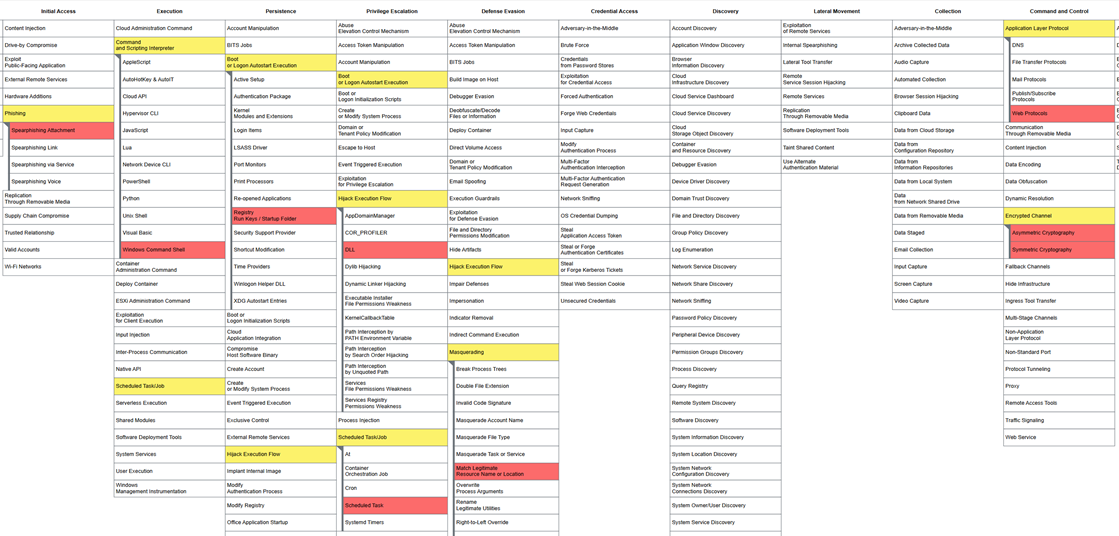
Recommendations
Immediate Actions
1. IOC Hunting: Search environments for all provided indicators of compromise
2. Network Monitoring: Block communication to 218.255.96.245 and monitor for TLS traffic with 17 03 03 signatures
3. Registry Auditing: Check for unauthorized entries in CurrentVersion\Run keys
Strategic Recommendations
1. Email Security: Implement advanced email filtering mechanisms such as content inspection, heuristic analysis, and attachment sandboxing.
2. Application Control: Deploy application whitelisting to prevent unauthorized DLL loading
3. Threat Intelligence: Subscribe to feeds covering Mustang Panda TTPs and infrastructure updates
Detection Engineering 1. Deploy Detection Rules: Implement provided YARA, Sigma, and network detection rules
2. Baseline Monitoring: Establish baselines for Chrome-related process execution patterns
3. Automation: Create automated hunting queries for Mustang Panda indicators
Conclusion
This analysis examined Mustang Panda's continued evolution and operational maturity in conducting targeted espionage campaigns. The group's consistent use of DLL sideloading techniques, combined with infrastructure reuse patterns, demonstrates both operational efficiency and creates opportunities for proactive defense.
The dual persistence mechanisms and process masquerading techniques indicate sophisticated understanding of defensive technologies and evasion requirements. Organizations should prioritize detection capabilities that focus on behavioral anomalies rather than solely signature-based approaches.
The infrastructure linkage analysis connecting ToneShell, PUBLOAD, and DOPLUGS campaigns provides valuable intelligence for tracking this threat actor's operations and predicting future campaign patterns.
Researched by
Kyaw Pyiyt Htet, Zaw Min Htun, Phyo Paing Htun